

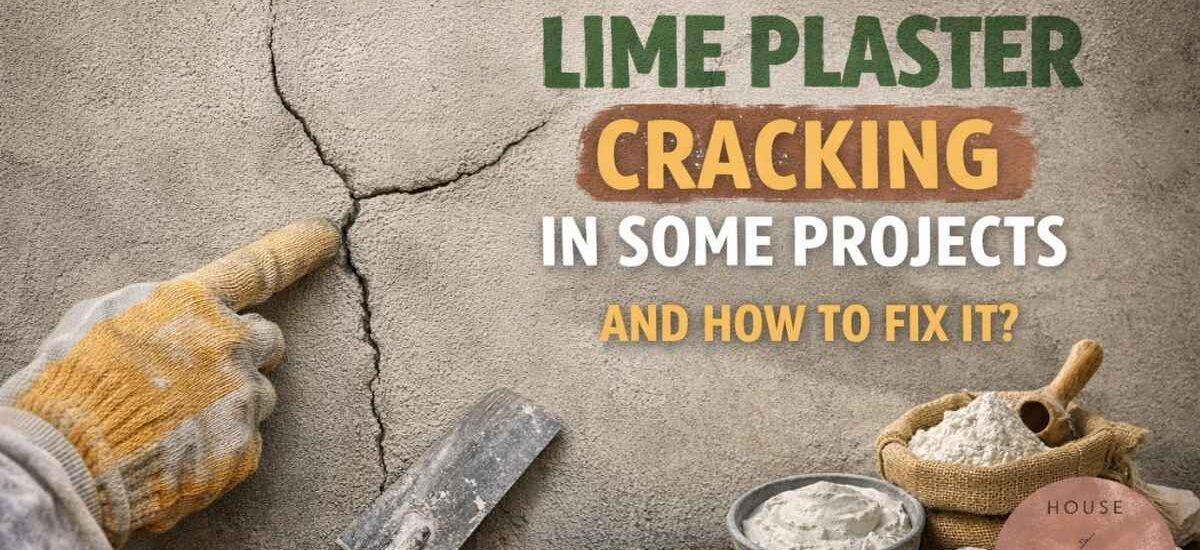
Lime plaster is known for durability, flexibility, and breathability. So when cracks appear, the first reaction is usually: “Is lime plaster faulty?”
No. Most of the time, the problem isn’t the material. It’s the execution.
If you’re seeing cracks, something in the process went wrong—mixing, curing, application, or even the base surface. And this is exactly where professional Lime Plaster Services India make the difference between a long-lasting finish and a problematic one.
Let’s break down the real reasons behind lime plaster cracking and how to fix them properly.
First, Not All Cracks Are the Same
Before jumping to solutions, understand this:
- Hairline cracks → Usually harmless, often due to natural shrinkage
- Deep or wide cracks → Sign of application or structural issues
If you treat both the same way, you’ll either overreact or ignore a serious problem.
Common Reasons Why Lime Plaster Cracks
1. Improper Curing
This is the biggest mistake.
Lime plaster doesn’t set like cement. It cures slowly by reacting with air (carbonation). If curing is rushed or the surface dries too quickly, cracks will form.
What goes wrong:
- No regular water spraying
- Exposure to direct sunlight
- Dry weather without moisture control
Fix:
Maintain proper curing for at least 7–10 days. Keep the surface slightly moist and protected from extreme heat.
2. Incorrect Mix Ratio
Lime plaster is sensitive to proportions. Too much sand or too little lime weakens the bond.
What goes wrong:
- Poor quality lime
- Unbalanced mix ratio
- Inconsistent mixing
Fix:
Use the correct ratio and quality materials. This is where experienced Construction, Masonry, Flooring & Architectural Services in India ensure consistency.
3. Applying Thick Layers in One Go
Lime plaster should never be applied in one thick coat.
What goes wrong:
- Uneven drying
- Internal stress buildup
- Surface shrinkage
Fix:
Apply in multiple layers:
- Base coat
- Intermediate coat
- Final finish
Each layer should be allowed to set properly before the next.
4. Poor Surface Preparation
If the base surface isn’t prepared correctly, the plaster won’t bond well.
What goes wrong:
- Dust or loose particles on walls
- Smooth surfaces without roughening
- No bonding layer
Fix:
Clean, dampen, and prepare the surface properly before application. A strong base prevents future cracks.
5. Rapid Drying Due to Weather
India’s climate can be harsh. High temperatures and dry winds can cause lime plaster to dry too fast.
What goes wrong:
- Moisture evaporates too quickly
- Surface shrinks unevenly
Fix:
- Avoid application during peak heat
- Use shade or coverings
- Maintain consistent moisture during curing
6. Inexperienced Contractors
Let’s be direct.
Lime plaster is not cement. If your contractor treats it the same way, you’ll get poor results.
What goes wrong:
- Wrong techniques
- Skipping curing
- Rushing the process
Fix:
Work with professionals who understand lime. This is why choosing expert Lime Plaster Services India is critical.
7. Structural Movement
Sometimes, the issue isn’t the plaster at all.
Buildings naturally move due to:
- Temperature changes
- Settling
- Load shifts
Even though lime is flexible, extreme movement can still cause cracks.
Fix:
Identify structural issues first. Fixing plaster alone won’t solve the problem.
How to Fix Cracks in Lime Plaster
Now let’s get practical.
For Hairline Cracks
- Lightly wet the surface
- Apply a thin lime wash or slurry
- Allow proper curing
These are usually cosmetic and easy to fix.
For Medium Cracks
- Open the crack slightly
- Clean out dust
- Refill with fresh lime plaster mix
- Cure properly
For Deep Cracks
- Remove damaged plaster
- Reapply in layers
- Ensure correct curing process
If cracks keep reappearing, the issue is deeper—likely structural or application-related.
How to Prevent Cracks in the First Place
Prevention is always better than repair.
Here’s what actually works:
- Use high-quality lime and materials
- Follow proper mix ratios
- Apply in layers, not thick coats
- Ensure proper curing
- Avoid extreme weather during application
- Hire experienced professionals
Miss any of these, and you’re increasing the risk of cracks.
The Real Takeaway
Lime plaster doesn’t fail randomly.
When cracks appear, it’s almost always due to:
- Poor execution
- Lack of knowledge
- Rushed work
Blaming the material is easy. Fixing the process is what actually works.
If you’re serious about using lime plaster, treat it like a system, not just a material. That means proper technique, patience, and skilled application.
Final Thoughts
Cracks in lime plaster are not a deal-breaker, but they are a signal.
They tell you something went wrong in the process.
Handled correctly, lime plaster remains one of the most durable and reliable wall finishes available. But it demands attention to detail.
If you want long-lasting results, don’t cut corners. Work with experts, follow the right methods, and give the material the time it needs.
Because with lime plaster, doing it right once is always better than fixing it again and again.