
For centuries, India’s architectural identity has been shaped by natural materials that worked with the climate rather than against it. Among those, lime plaster stood out as a quiet hero—strengthening fort walls, cooling palaces, and preserving our most iconic heritage structures. Today, as the country shifts toward sustainable living and conscious construction, this age-old craft is stepping back into the spotlight. At House of Lime, we’ve seen firsthand how modern homeowners, architects, and designers are returning to lime not out of nostalgia, but because it solves many problems that cement-based plasters create. This resurgence isn’t a trend. It’s a necessary recalibration toward what actually works in India’s climate, culture, and long-term design needs.
The Forgotten Strength of Lime Plaster in India’s Architectural History
Walk through any old fort, haveli, stepwell, or palace—from Jodhpur’s Mehrangarh to Kerala’s traditional homes—and you’ll notice one consistent detail: the walls breathe. Lime allowed those structures to stand for hundreds of years despite monsoons, heat, humidity, and erosion. Unlike cement, lime plaster doesn’t trap moisture. It absorbs, releases, and regulates it. This single ability made it indispensable in historic construction. Craftsmen of the past didn’t choose lime because it was fashionable. They chose it because it worked. It kept interiors cooler, prevented cracks, and aged gracefully. Many of these structures still stand strong while modern cement buildings begin showing cracks in less than a decade. That contrast alone explains why lime plaster is making a dramatic return.
Why Modern India Is Returning to Lime
Over the last 20 years, the sustainability conversation in India has shifted. Homeowners want natural materials. Architects want breathable walls. Designers want finishes that feel organic. And builders want longevity. Lime satisfies all four. It’s low-VOC, antibacterial, naturally insulating, and far more durable in the long run. People are finally noticing that cement finishes age poorly, trap dampness, form bubbles, and often need repair within a few years. Lime, on the other hand, hardens over time and becomes more integrated with the structure instead of fighting it. In a hot, humid, and diverse climatic country like ours, that difference matters. This is why more clients now ask specifically for lime-based finishes during renovation and new home construction. They want homes that stay cooler, breathe better, and look more natural.
The Role of House of Lime in This Revival
At House of Lime, our work revolves around reviving and modernizing traditional lime techniques while ensuring structural performance that meets modern standards. We’ve worked on everything from heritage property restoration to contemporary villas and boutique commercial spaces. Every project reinforces one truth: lime isn’t just a finish. It’s a system. When applied correctly, it enhances comfort, improves indoor air quality, and gives walls a life of their own. This philosophy guides our approach whether we are offering <a href=”https://houseoflime.in”>Lime Plaster Service</a>, training artisans, or consulting on the material palette for sustainable architecture.
A Sustainable Alternative That Aligns With Modern Values
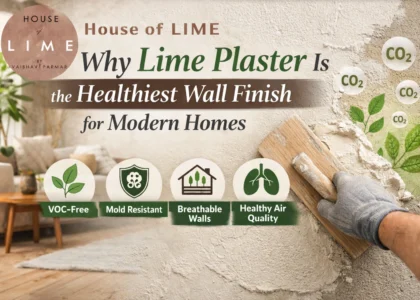
Sustainability today isn’t about trends. It’s about responsibility. Lime reduces carbon footprint because it reabsorbs CO₂ during curing. It requires fewer repairs over time, reducing material waste. It lasts longer, minimizing renovation cycles. And most importantly, it works naturally with the environment rather than resisting it. For eco-conscious homeowners, this matters. For designers working with natural, earthy palettes, lime surfaces provide unmatched textures—from matte mineral finishes to soft sheen effects. And for architects designing passive homes, lime’s breathability is a game changer. It reduces humidity, prevents mold, and stabilizes temperature, especially in hot climates.
Where Heritage Craft Meets Modern Aesthetics
One of the reasons lime plaster is gaining popularity with modern designers is its visual versatility. Whether you want rustic, polished, smooth, textured, or marble-like effects, lime adapts beautifully. The renewed interest in traditional finishes like <a href=”https://houseoflime.in/araish-lime-plaster/”>Araish Plaster in India</a> shows that clients now appreciate craftsmanship and detail. Araish, with its glass-like sheen and smooth reflective surface, has made a comeback in premium homes, boutique hotels, meditation rooms, and luxury retail spaces. It reminds people that Indian craftsmanship never needed to mimic the West. We always had our own materials and methods—timeless, functional, and stunning.
Understanding Lime in the Context of Architectural Health
A building is a living system. Walls trap heat, collect moisture, and expand or contract. Lime understands this movement. Cement fights it. With lime, microcracks often self-heal through a natural process called autogenous healing, where free lime recrystallizes and closes gaps. This is why heritage structures don’t show the same cracking patterns seen in modern cement walls. With cement, moisture gets trapped. That moisture becomes damp. Damp becomes mold. Mold becomes health issues. Homeowners then spend money on waterproofing, chemicals, and false walls—solutions that treat symptoms, not the cause. Lime attacks the problem at the root. It regulates moisture instead of trapping it.
Why Indian Climate Needs Lime More Than Ever
India has a wide climate spectrum—humid coastlines, dry deserts, cold mountains, and dense urban heat islands. Cement performs inconsistently across these environments. Lime performs consistently. In humid regions like Goa and Kerala, lime prevents fungal growth. In Rajasthan and Delhi, it keeps homes cooler. In coastal towns, it prevents flaking. In high-humidity, poorly ventilated apartments, it reduces trapped moisture. Lime understands India’s climate because our ancestors developed it for this climate.
Lime and the Future of Indian Interior Design
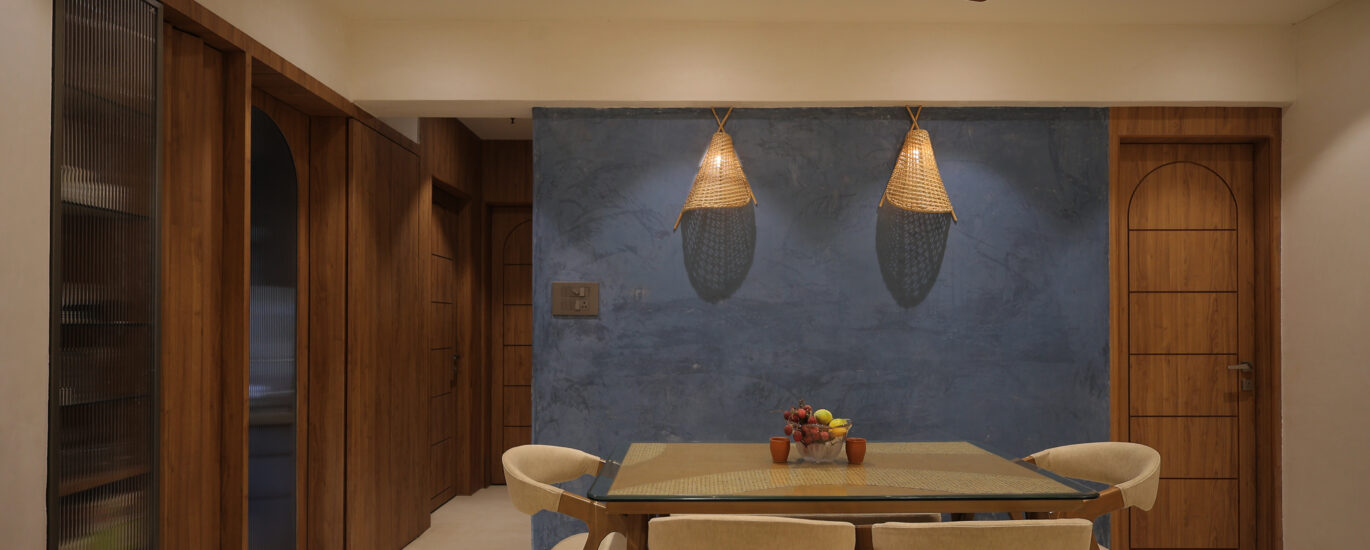
Beyond durability and sustainability, lime is now influencing interior trends. Minimalism, wabi-sabi, earthy tones, handcrafted surfaces, and natural materials have taken center stage. Lime fits naturally into all these design languages. Its matte, mineral look is softer than cement or synthetic paints. It ages naturally, developing subtle patina and character over time. No two lime walls look exactly alike, and that uniqueness is becoming a marker of luxury and authenticity.
How House of Lime Ensures Quality in Modern Lime Work
Lime work isn’t about mixing and applying. It’s a craft. At House of Lime, we follow a rigorous process: selecting high-quality lime, ensuring proper slaking, training artisans in traditional techniques, and monitoring curing cycles. Modern builders often skip steps because they’re used to fast-setting cement. But lime needs patience. It rewards that patience with longevity and beauty. This is why our guidance often includes material choices, workflow advice, and holistic project planning. Many clients also choose to work with us as their <a href=”https://houseoflime.in/design-consultancy/”>Architectural Design Consultant</a> when sustainability is a core design objective. It ensures that lime is integrated seamlessly from the start rather than added as an afterthought.
The Challenges in Lime Revival—and Why They’re Worth Overcoming
Reviving lime isn’t without obstacles. Skilled artisans are fewer today. Quality lime varies in the market. Builders are still cement-trained and skeptical about slower processes. But these challenges are temporary. Once clients experience lime, they don’t return to cement finishes. The comfort difference is noticeable. The aesthetic difference is undeniable. And the environmental benefits are too significant to ignore. With the right training and standardization, lime craftsmanship in India is witnessing a strong comeback.
Homeowners Are Choosing Conscious Construction Over Convenience
People now research materials before building. They ask questions. They choose natural over synthetic. They prioritize health. This shift is pushing builders and developers to rethink material choices. We regularly consult clients who are building their dream homes and want every element—from flooring to paint—to support a healthier ecosystem. Lime is a natural fit for families who want breathable walls, low toxins, cooler rooms, and long-term value.
What This Means for the Future of Indian Architecture
Lime plaster isn’t just rediscovering relevance. It’s redefining the direction of India’s architectural future. As urban areas get hotter, people will lean more toward breathable, insulating materials. As sustainability becomes a requirement rather than a preference, lime will stand out as a practical solution. And as people rediscover the charm of handcrafted surfaces, lime finishes will become a core part of modern interior design.
Final Thoughts: A Return to What Always Worked
This revival isn’t a trend. It’s a correction. For a few decades, cement overshadowed lime because it was quick and easy. But quick and easy rarely lasts. India’s oldest material is turning out to be the one that aligns best with our future—sustainable, breathable, repairable, healthy, and beautiful. At House of Lime, we’re proud to be part of this movement. Because when you choose lime, you’re not just choosing a finish. You’re choosing comfort, longevity, craftsmanship, and consciousness. You’re choosing what has always worked for India—and what will continue to work for generations.