
Modern homes look sleek and polished, but what lies beneath the paint matters far more than most people realize. The materials covering your walls quietly affect your indoor air quality, humidity balance, and even long-term health. At House Of Lime, we often meet homeowners who focus on aesthetics first and health later. That order needs to change.
Lime plaster is not just a decorative choice. It is a building material rooted in centuries of construction wisdom, now backed by modern science. If you care about clean air, mold prevention, and a naturally balanced indoor environment, lime plaster deserves serious attention.
A Wall Finish That Breathes With Your Home
Most modern wall systems are sealed tight. Cement plaster and synthetic paints create dense, non-breathable surfaces. While that may sound durable, it traps moisture inside walls. Trapped moisture leads to damp patches, fungal growth, peeling paint, and musty odors.
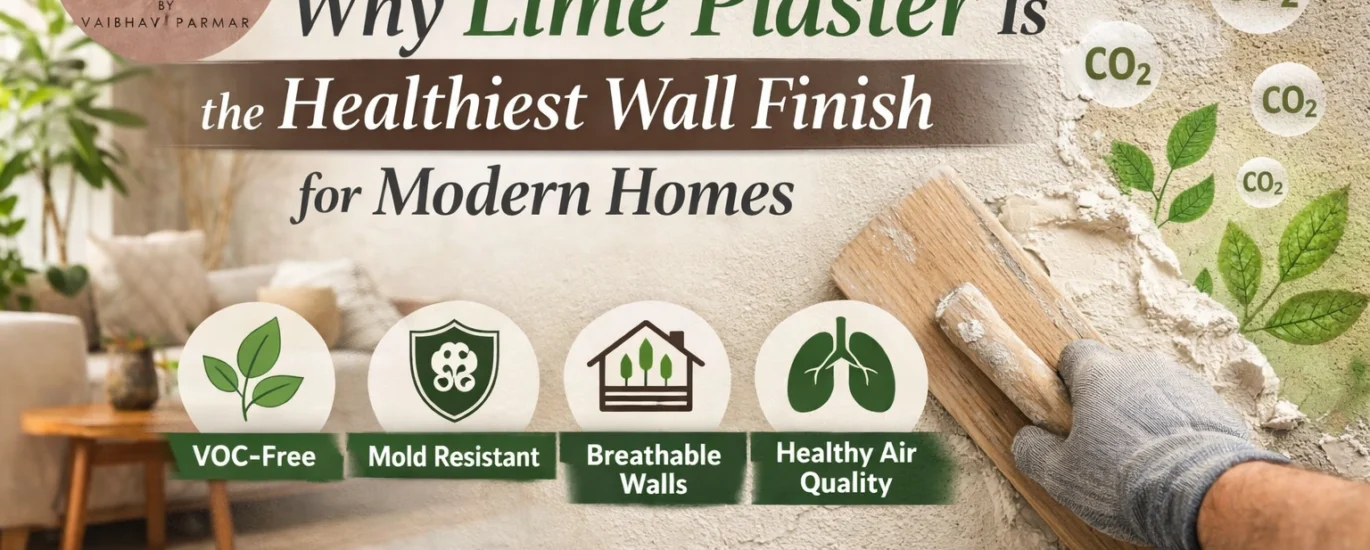
Lime plaster behaves differently. It is vapor-permeable. That means it allows moisture to move through the wall and evaporate naturally. Instead of locking humidity inside, it regulates it. When indoor humidity rises, lime absorbs excess moisture. When the air becomes dry, it releases it back gradually.
This natural breathability creates a healthier indoor environment, especially in humid regions across India where dampness is a recurring issue.
The Science Behind Lime: The Carbonation Process
One of the most fascinating aspects of lime plaster is carbonation. When lime plaster is applied, it reacts with carbon dioxide in the air. Over time, it converts back into calcium carbonate, essentially turning into stone again.
During this process, lime plaster absorbs CO₂ from the atmosphere. While it will not solve climate change, it does make lime a more environmentally responsible choice compared to cement-based plasters, which generate significant carbon emissions during production.
This slow transformation also strengthens the plaster over time. Unlike materials that degrade as they age, lime continues to harden naturally. That long-term stability contributes to durability without relying on chemical additives.
Mold Resistance Without Chemical Additives
Mold is not just an aesthetic problem. It affects respiratory health, triggers allergies, and can worsen asthma symptoms. Many homeowners attempt to solve mold issues using anti-fungal paints or chemical coatings. These are temporary solutions.
Lime plaster is naturally alkaline. Its high pH creates an environment where mold and bacteria struggle to grow. This resistance is built into the material itself. No synthetic fungicides required.
In humid Indian climates, especially coastal regions and monsoon-prone areas, this becomes a major advantage. Homes finished with lime plaster are far less likely to develop persistent black mold patches compared to cement-based systems.
VOC-Free Living: What You Are Not Breathing Matters
Volatile Organic Compounds, commonly known as VOCs, are released from many modern building materials and paints. They contribute to indoor air pollution and may cause headaches, irritation, and long-term health concerns.
Lime plaster is mineral-based and free from synthetic resins. It does not emit harmful fumes. When paired with natural mineral pigments or breathable paints, it supports genuinely low-toxicity interiors.
For families with children, elderly members, or individuals with respiratory sensitivity, this matters. A wall finish should not compromise the air you breathe daily.
Lime Plaster vs Cement and Gypsum: A Health Perspective
Cement plaster is dense and rigid. It lacks breathability and often requires chemical additives to improve workability. Over time, it is prone to cracking due to its brittleness. Cracks allow moisture to seep in, leading to internal dampness and fungal growth.
Gypsum plaster offers smoother finishes and quicker setting times. However, it performs poorly in moisture-heavy environments. It can deteriorate if exposed to repeated damp conditions.
For a detailed comparison, you can explore Lime Plaster VS Gypsum to understand performance differences more thoroughly.
From a health standpoint, lime plaster stands out because it manages moisture naturally, reduces mold risk, and avoids synthetic emissions. Cement and gypsum are functional materials, but they do not actively contribute to indoor air balance the way lime does.
A Cooler, More Comfortable Living Environment
Thermal comfort is closely connected to wall materials. Lime plaster has subtle insulating properties and works effectively in combination with breathable construction systems. Its moisture-regulating behavior also reduces that sticky, damp indoor feeling common in humid regions.
If you want a deeper understanding of thermal benefits, read about How Lime Plaster Can Keep your home cool and how it contributes to passive cooling strategies.
In Indian climates where air conditioning runs for long hours, choosing materials that naturally stabilize temperature can reduce dependency on mechanical cooling. That is both healthier and more energy-efficient.
Ideal for Asthma-Sensitive Homes
Indoor air quality is a critical concern for people dealing with asthma or chronic allergies. Dust accumulation, mold spores, and chemical fumes worsen symptoms.
Because lime plaster is anti-static, it attracts less dust compared to synthetic-coated surfaces. Combined with its mold resistance and VOC-free nature, it creates a calmer indoor atmosphere.
It is not a medical treatment, but it supports a healthier environment. For families designing wellness-focused homes, lime plaster becomes a foundational choice rather than a decorative upgrade.
Case Observations From Humid Indian Regions
In cities with heavy monsoon exposure, homes built with cement plaster frequently report recurring damp walls. Repainting becomes a routine maintenance cycle. Efflorescence stains and peeling surfaces are common complaints.
Projects completed with lime plaster show better long-term moisture control. Walls dry out more evenly after monsoon seasons. Mold formation is significantly reduced. Over years, maintenance costs are often lower because the plaster remains repairable and breathable.
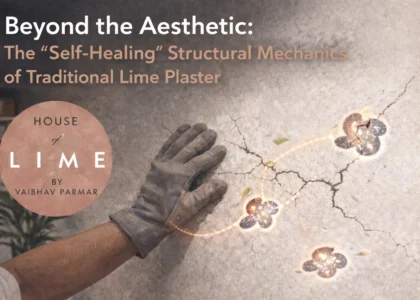
Unlike cement, lime repairs blend seamlessly. Small patches can be fixed without visible joints or large-scale demolition.
Luxury and Health Can Coexist
There is a misconception that healthy materials look rustic or unfinished. That is outdated thinking. Lime plaster can be polished to achieve refined textures suitable for high-end interiors.
If you are designing premium spaces, selecting the right Wall For Luxury Interior does not mean compromising on health. Lime finishes offer depth, movement, and elegance while supporting indoor air quality.
Luxury today is not just about appearance. It is about comfort, sustainability, and longevity.
Long-Term Value Over Short-Term Convenience
Cement and gypsum are often chosen because they are fast and familiar. Lime requires skilled application and proper curing time. That extra attention discourages some builders.
However, long-term thinking changes the equation. A breathable, mold-resistant, and repair-friendly wall system reduces maintenance cycles and health risks over decades. It aligns with sustainable building practices and wellness-focused architecture.
Choosing lime plaster is not a trend. It is a decision rooted in performance, science, and human comfort.
The Healthiest Wall Is the One That Works With Nature
Walls should regulate, protect, and support. They should not trap moisture, emit chemicals, or demand constant chemical interventions.
Lime plaster works in harmony with natural processes. It absorbs carbon dioxide as it cures. It manages humidity passively. It discourages mold growth without synthetic additives. It supports cleaner indoor air.
For modern homeowners who want more than a decorative finish, lime plaster offers a practical and evidence-backed solution. At House Of Lime, we believe a healthy home begins with materials that respect both the environment and the people living inside it.
If you are building or renovating, start by questioning what covers your walls. The healthiest choice is often the one builders stopped talking about when speed replaced wisdom.