
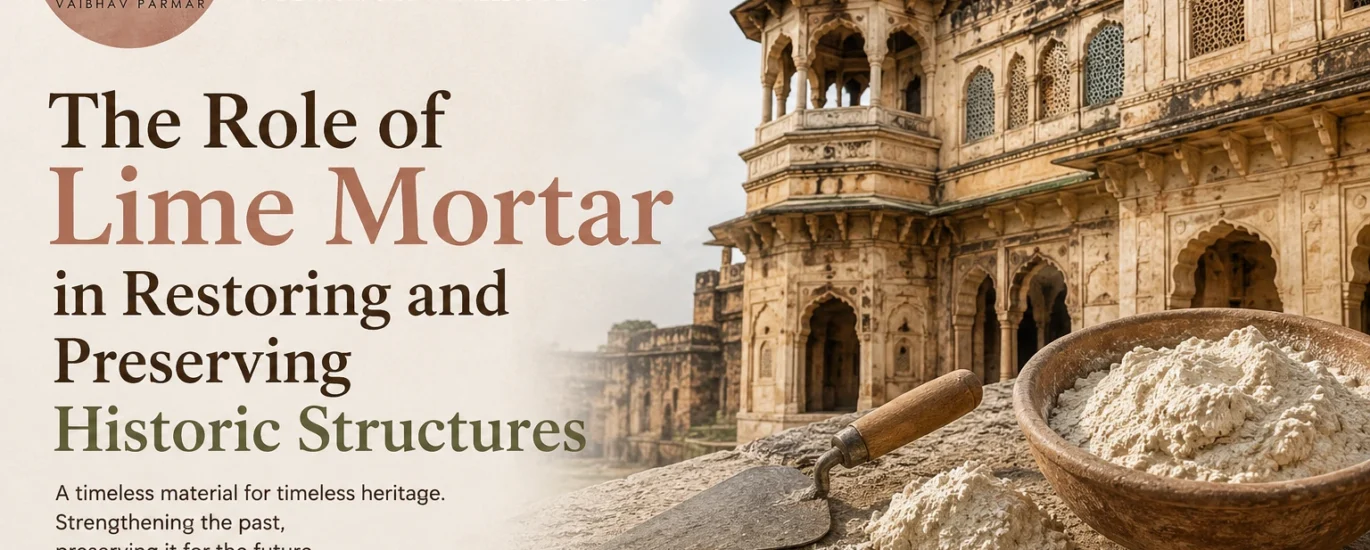
Historic buildings are more than old structures. They represent the culture, craftsmanship, and architectural heritage of different generations. Whether it is an ancient fort, a heritage haveli, a colonial bungalow, or a centuries-old temple, preserving these buildings requires materials that work in harmony with their original construction. One of the most important materials used in restoration is lime mortar.
Unlike modern cement, lime mortar allows historic buildings to breathe, move naturally, and age gracefully. It has been used for centuries because of its flexibility, durability, and compatibility with traditional construction methods. Today, architects, conservation experts, and restoration specialists continue to rely on lime mortar to protect heritage structures while maintaining their historical authenticity.
When combined with a Premium Lime Plaster Service, lime mortar provides an effective solution for restoring walls, repairing masonry, and preserving historic buildings for future generations.
What Is Lime Mortar?
Lime mortar is a traditional building material made by mixing natural lime, sand, and water. Unlike cement mortar, it remains flexible after curing and allows moisture to pass through the walls instead of trapping it inside.
This breathable nature makes lime mortar ideal for older buildings that were originally constructed using lime-based materials. Rather than forcing the structure to adapt to modern materials, lime mortar works with the building’s natural movement and moisture cycle.
Its unique characteristics include:
- Excellent breathability
- Natural flexibility
- Moisture regulation
- Long service life
- Self-healing properties for small cracks
- Compatibility with historic masonry
These qualities make lime mortar one of the most trusted materials in heritage conservation.
Why Historic Buildings Need Lime Mortar
Many historic structures were built hundreds of years ago without reinforced concrete or modern cement. Their strength comes from carefully laid stone, brick, and lime-based construction techniques.
Replacing damaged joints with cement mortar may seem like a simple repair, but it often creates serious long-term problems.
Some common issues include:
- Moisture trapped inside walls
- Cracking due to structural movement
- Salt damage
- Spalling bricks
- Stone deterioration
- Reduced lifespan of masonry
Lime mortar solves these problems by allowing walls to function as they were originally designed.
Preserving Structural Integrity
Historic buildings naturally expand and contract because of seasonal temperature changes and moisture fluctuations.
Cement is rigid and often cracks when a building moves.
Lime mortar behaves differently. Its flexibility allows it to absorb minor movements without causing significant damage to the surrounding masonry.
Instead of damaging bricks or stone, lime mortar sacrifices itself over time, making future repairs easier and less expensive.
This characteristic is one of the main reasons why conservation professionals prefer lime mortar for restoration work.
Breathability Protects Heritage Structures
Moisture is one of the biggest threats to historic buildings.
Rainwater, humidity, and groundwater constantly introduce moisture into traditional masonry. If this moisture cannot escape, it leads to:
- Damp walls
- Mold growth
- Salt crystallization
- Peeling finishes
- Brick decay
Lime mortar allows water vapor to evaporate naturally.
This breathability keeps walls dry and significantly reduces long-term structural damage.
When paired with professional Turnkey construction Services, restoration projects can maintain both structural performance and historical accuracy from foundation to final finish.
Compatible with Traditional Materials
Historic buildings often use handmade bricks, natural stone, lime plaster, and traditional masonry techniques.
Modern cement has a much higher compressive strength than these original materials.
As a result, cement transfers stress into softer bricks and stones, causing them to crack before the mortar does.
Lime mortar is intentionally softer.
This means the mortar absorbs movement while protecting the original masonry, making repairs easier in the future.
Compatibility is one of the most important principles in architectural conservation.
Self-Healing Properties
One remarkable advantage of lime mortar is its ability to repair very small cracks naturally.
When moisture enters fine cracks, dissolved lime can migrate into those spaces and react with carbon dioxide in the air.
Over time, tiny calcium carbonate crystals form inside the cracks, effectively sealing them.
Although this does not repair large structural damage, it greatly increases the lifespan of traditional masonry.
Few modern construction materials possess this natural self-healing ability.
Supporting Traditional Brick Masonry
Historic structures rely heavily on carefully constructed brick masonry.
Damaged joints weaken walls and allow water penetration, eventually leading to structural instability.
Professional restoration often includes repairing deteriorated brick joints using compatible lime mortar rather than replacing original bricks unnecessarily.
Working with a Best Brick Masonry Service ensures that restoration follows traditional masonry practices while preserving the original appearance of the building.
Sustainability Benefits
Lime mortar is also an environmentally responsible building material.
Compared to Portland cement, lime production generally requires lower firing temperatures, reducing energy consumption.
Additional environmental advantages include:
- Lower carbon footprint
- Natural ingredients
- Recyclability
- Longer building lifespan
- Reduced demolition waste
Because restored buildings last much longer, fewer resources are needed for reconstruction.
This aligns perfectly with sustainable construction practices.
Applications of Lime Mortar in Restoration
Lime mortar is used across many heritage conservation projects.
Some common applications include:
Repointing Masonry
Replacing deteriorated mortar joints while preserving original bricks and stones.
Stone Wall Restoration
Repairing damaged stone structures without introducing rigid modern materials.
Heritage Building Conservation
Maintaining castles, forts, temples, churches, palaces, museums, and historic homes.
Brick Repairs
Stabilizing old brick walls while maintaining authentic architectural character.
Traditional Lime Plaster Systems
Providing a compatible base for breathable lime plaster finishes.
Common Mistakes During Restoration
Many restoration failures occur because inappropriate materials are selected.
Some mistakes include:
- Using cement instead of lime mortar
- Removing too much original material
- Ignoring moisture problems
- Using incompatible paints
- Hiring contractors without heritage restoration experience
Historic buildings require specialized knowledge, traditional craftsmanship, and appropriate materials.
Every intervention should preserve as much original fabric as possible.
Choosing the Right Restoration Partner
Successful restoration depends on both quality materials and experienced workmanship.
Professionals understand:
- Appropriate lime mixes
- Traditional application techniques
- Moisture management
- Heritage conservation principles
- Historic masonry repair methods
Experienced specialists also ensure that restored structures continue performing naturally without compromising their historical value.
Conclusion
Lime mortar has protected historic buildings for centuries, and it remains one of the most reliable materials for restoration today. Its breathability, flexibility, compatibility, and self-healing properties make it far superior to cement when working on heritage structures.
Whether restoring an old haveli, preserving a centuries-old temple, repairing traditional brick masonry, or conserving a historic palace, lime mortar helps maintain the building’s original character while extending its lifespan.
By combining skilled craftsmanship with traditional materials and expert restoration techniques, heritage buildings can continue telling their stories for generations to come.
Frequently Asked Questions
Why is lime mortar preferred over cement for historic buildings?
Lime mortar is breathable, flexible, and compatible with traditional construction materials, reducing the risk of cracking and trapped moisture.
Can lime mortar repair damaged historic masonry?
Yes. Lime mortar is widely used for repointing, brick repair, and stone restoration while preserving the original structure.
Is lime mortar environmentally friendly?
Yes. It has a lower carbon footprint than conventional cement and supports sustainable restoration practices.
How long does lime mortar last?
When properly applied and maintained, lime mortar can last for several decades and, in many historic buildings, even centuries.
Can lime mortar be used in modern buildings?
Yes. Besides heritage restoration, lime mortar is increasingly used in eco-friendly homes and sustainable construction because of its breathability and natural appearance.