
Modern interior design is changing fast. For years, colour dominated conversations about home décor. People debated palettes, trending shades, and accent walls. But today, designers are focusing on something deeper and more impactful — texture.
Texture shapes how a space feels, not just how it looks. It adds depth, character, and authenticity to interiors. While colours may attract attention initially, texture creates the lasting impression that makes a space memorable.
Why Texture Is Taking Priority in Modern Interior Design
Colour can easily change with paint, furniture, or décor. Texture, however, becomes part of the architecture itself. When you walk into a room with textured walls, natural finishes, or handcrafted surfaces, the environment feels richer and more immersive.
Textured materials interact with light differently throughout the day. Soft shadows, subtle reflections, and natural variations bring walls to life. This dynamic effect simply cannot be achieved with flat paint alone.
Designers now use surfaces to create emotional depth in a space. Materials like lime plaster, stone, wood, and handcrafted finishes introduce a tactile experience that colour alone cannot provide.
How Natural Materials Create Depth in Interiors
Modern interiors are moving away from artificial, perfectly smooth finishes. Homeowners are now drawn to materials that show natural imperfections and handcrafted beauty.
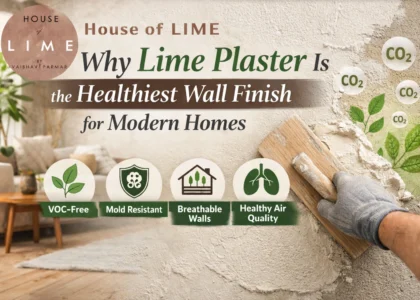
Natural lime surfaces are a great example. A well-applied Lime Plaster Service creates walls with subtle movement and softness that evolve with light. Instead of appearing flat, the surface carries depth, texture, and an organic feel.
This approach aligns with a broader shift toward sustainable and timeless design. Natural plasters are breathable, environmentally friendly, and aesthetically refined. They blend easily with modern minimalism while still adding warmth to the space.
Texture Adds Warmth to Minimalist Spaces
Minimalism often risks looking too plain or sterile when colour and decoration are reduced. Texture solves this problem.
A neutral interior with textured walls immediately feels more sophisticated. Even subtle finishes can transform plain surfaces into architectural elements. When light grazes textured walls, it creates delicate shadows that add visual interest without clutter.
Finishes like Araish Plaster in India demonstrate this beautifully. Known for its smooth yet reflective character, Araish plaster offers a refined surface that feels luxurious while maintaining a natural aesthetic.
This balance between simplicity and richness is exactly what modern interiors aim to achieve.
Texture Supports Long-Lasting Design
Colour trends change constantly. A shade that feels modern today might look outdated in a few years. Texture, however, ages differently.
Natural finishes develop character over time rather than losing relevance. They adapt to different furniture styles, lighting conditions, and décor updates. Because of this, textured walls often remain timeless while colour-based designs require frequent updates.
Working with a professional Architectural Design Consultant can help homeowners integrate these materials properly. Experts understand how to combine texture, light, and space planning so the final design feels cohesive rather than decorative.
The Emotional Impact of Texture in Living Spaces
Design is not only visual — it is sensory. Texture creates a subtle connection between people and the spaces they inhabit.
Rough stone surfaces can feel grounded and earthy. Smooth lime plaster feels calm and elegant. Polished finishes can introduce sophistication. These physical qualities influence how people emotionally experience a room.
This is why many contemporary designers treat walls not just as background elements but as important design features.
The Future of Interior Design Is Surface-Driven
As homes become more thoughtfully designed, the focus is shifting from decorative elements to material authenticity. Instead of relying on bold colours or excessive décor, designers are creating beauty through surfaces themselves.
Texture introduces quiet luxury — a design approach where subtle craftsmanship replaces loud visual statements.
For homeowners looking to build timeless interiors, texture offers something colour alone cannot: depth, authenticity, and an enduring connection to natural materials.
When surfaces are treated as part of the design story, interiors become richer, calmer, and far more meaningful.