
If you’re paying attention to interior trends, you’ve probably noticed something interesting. Smooth, matte, seamless walls are replacing textured paint, wallpapers, and tiles. Designers and homeowners are moving toward finishes that feel organic, timeless, and luxurious without looking loud or artificial.
Two materials are leading this shift: lime plaster and microcement.
They aren’t exactly new. Lime has been used in palaces and heritage buildings for thousands of years, from Roman architecture to Indian havelis. Microcement, on the other hand, comes from modern European design and is known for its sleek minimalism. Today, both materials are being reimagined to fit contemporary homes, restaurants, hotels, and commercial spaces.
This isn’t just a trend. It’s a shift in how people think about interiors: quality over quick fixes, natural over synthetic, longevity over temporary aesthetics.
Let’s get into why these finishes are taking over modern interiors and whether they’re worth the hype.
The Appeal: Why People Are Choosing These Finishes
Ask any architect or designer and they’ll tell you the same thing: people aren’t interested in loud patterns anymore. They want materials that feel calm, intentional, and premium.
Lime plaster and microcement deliver exactly that.
They create seamless surfaces without joints, visible tile lines, or peeling edges. The finish looks more architectural than decorative. It doesn’t just sit on the surface; it transforms the entire space.
There’s another layer to this: people are tired of synthetic materials. Painted walls crack. Wallpapers peel. Tiles age and go out of style. But plaster finishes only get better with time.
Lime Plaster: Old-World Craft Meets Modern Living
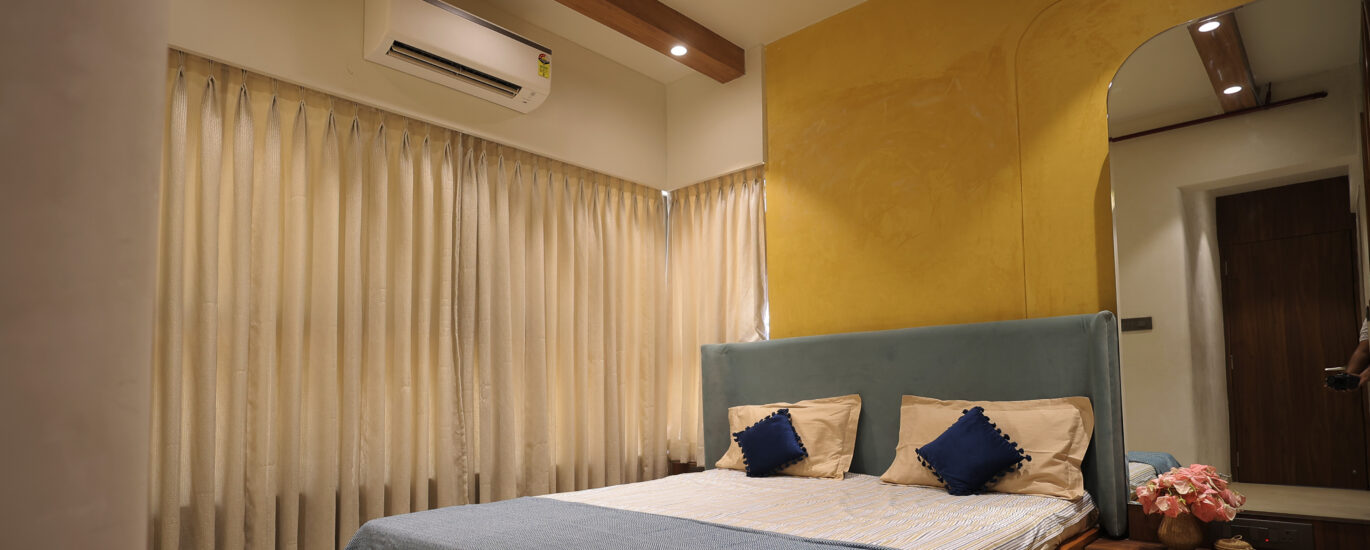
Lime plaster is not just paint. It’s a handcrafted surface made from natural lime putty and marble dust or sand, cured slowly for strength and character. It’s breathable, hypoallergenic, and chemical-free, which makes it ideal for homes looking for a healthier indoor environment.
It also develops a beautiful patina over time. Instead of looking old, it looks lived-in and soulful.
If you’re exploring this finish, consider working with a professional offering Lime Plaster Service because the material requires expertise, skill, and layering techniques.
Some benefits worth noting:
- It regulates humidity naturally.
- It resists mold and bacteria.
- It feels soft, velvety, and tactile.
- It ages beautifully instead of deteriorating.
For spaces like bedrooms, living rooms, galleries, boutique hotels, and meditation areas, lime plaster brings warmth and stillness.
Microcement: Minimalist, Durable, and Future-Proof
Microcement offers a completely different vibe. It’s smooth, modern, seamless, and industrial. If lime plaster is soft luxury, microcement is bold simplicity.
It’s applied on floors, walls, countertops, furniture, and even exterior surfaces. The best part is that it can go over existing materials, which makes renovation easier.
Why people love it:
- No grout lines.
- Water-resistant once sealed.
- Available in many textures and finishes.
- Suitable for bathrooms, kitchens, and high-traffic areas.
It pairs well with modern, Japandi, monochrome, Scandinavian, and contemporary interior styles.
If you’re imagining a walk-in shower with smooth cement walls or a seamless kitchen countertop without tile lines, this material is what makes it possible.
Sustainability Matters
There’s also a growing environmental awareness behind these choices. Lime plaster is among the most eco-friendly finishing materials available. It absorbs carbon dioxide, making it carbon-neutral over its lifecycle.
Even microcement, although not purely natural, reduces wastage because it can be installed over existing substrates, saving demolition waste.
For many homeowners, sustainability isn’t a trend anymore. It’s a value.
Customisation: No Two Surfaces Look Alike
If you hate cookie-cutter interiors, plaster finishes are going to make sense for you.
Lime plaster can be matte, polished, textured, cloudy, smooth, or subtly reflective. Some Indian enthusiasts even explore traditional finishes like Araish Plaster in India for a glossy marble-like look that feels royal yet modern.
Microcement, similarly, offers endless variation. You can go from raw industrial grey to warm neutrals, moody charcoal, or soft clay tones. You control everything: depth, tone, pattern, texture.
The result is always unique.
Maintenance and Durability
A lot of people assume plaster finishes are delicate. That’s not accurate. They need care, yes, but so does everything high-end.
Lime plaster becomes stronger over time as it recarbonates. Microcement can withstand heavy use if installed correctly.
Care tips:
- Avoid harsh chemicals.
- Wipe spills quickly.
- Refresh sealants every few years if needed.
That’s still less maintenance than repainting every few years.
The Psychology of Materials: Why These Finishes Feel Good
This part is overlooked but very real. Interior spaces affect how you feel. Harsh glossy surfaces reflect too much light and can feel cold or sterile. Lime plaster absorbs light and creates softness. Microcement creates calm and visual continuity.
Spaces finished in these materials feel intentional, grounded, and peaceful.
In a noisy world, the need for interior quiet is real. These finishes provide it.
Where Should You Use Them?
If you’re considering these materials, start with one of these areas:
- Accent walls
- Living rooms
- Bedrooms
- Bathrooms
- Dining rooms
- Staircases
- Floors
- Lobby and reception spaces
- Kitchen islands or countertops
They also work beautifully in hospitality and retail because they create a premium experience instantly.
If you’re unsure how these finishes can work with your layout, theme, or lighting, speak with an experienced Architectural Design Consultant. These surfaces look simple, but the process behind them is technical and method-driven.
Cost: Are They Worth It?
These finishes cost more than painting or tiling. If your mindset is short-term, you’ll probably say no. But if you’re building a home meant to last, they’re worth every rupee.
You’re paying for:
- A durable finish that ages well.
- Experienced craftsmanship.
- High aesthetic value.
- Reduced long-term maintenance.
Think of it as investing in permanent interior quality rather than temporary decoration.
Final Thoughts
Lime plaster and microcement are not passing trends. They’re part of a larger design movement focused on authenticity, longevity, and timeless elegance. Homes today are not just spaces we live in; they’re environments we connect with. These finishes make that connection feel meaningful.
If you want interiors that don’t look like everyone else’s, if you care about craftsmanship, texture, and sensory experiences, these materials make sense.
They’re not just taking over interiors because they look good. They’re taking over because they make spaces feel better.
And that’s the future of design.