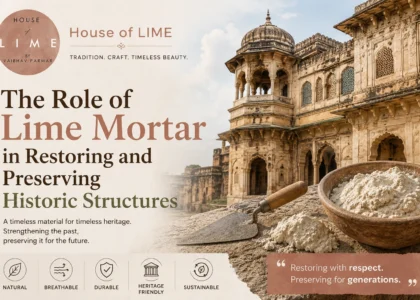

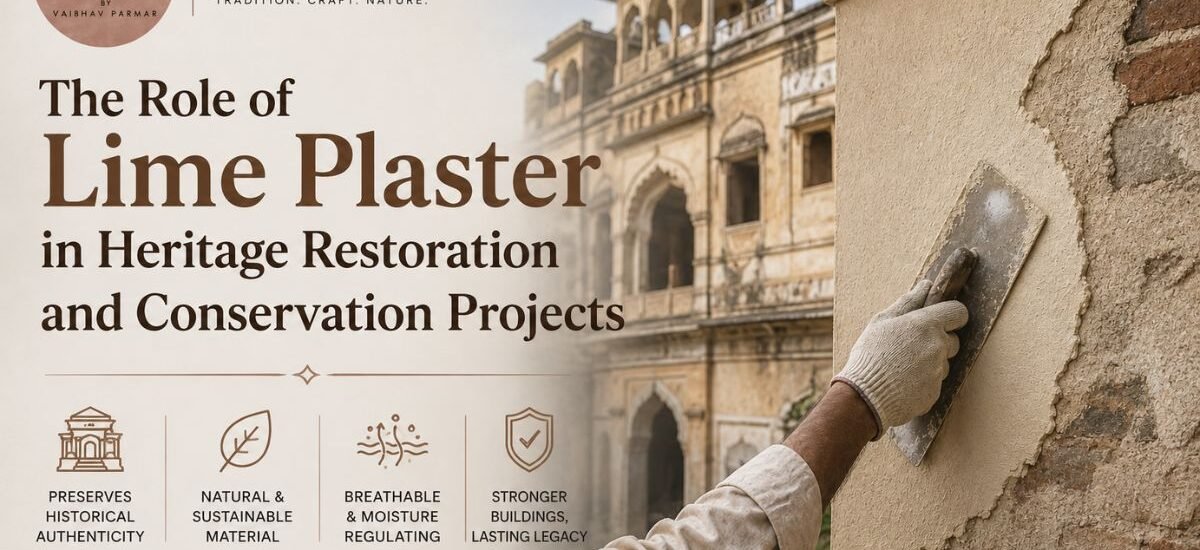
Historic buildings are more than just structures. They represent the culture, craftsmanship, and architectural heritage of a region. From centuries-old forts and palaces to temples, havelis, churches, and colonial-era buildings, preserving these landmarks requires materials that respect their original construction methods. This is where lime plaster plays a crucial role.
For centuries, lime plaster was one of the most widely used building materials across the world. Before the introduction of modern cement-based products, builders relied on lime for its durability, flexibility, and breathability. Today, conservation architects and restoration specialists continue to choose lime plaster because it helps maintain the authenticity and structural health of heritage buildings.
Why Heritage Buildings Need Specialized Restoration Materials
Many historic structures were originally built using lime mortar, lime plaster, and natural stone. These materials work together as a breathable system that allows moisture to move naturally through the walls.
When modern cement-based materials are introduced during repairs, they often create problems rather than solutions. Cement is harder, denser, and less breathable than traditional lime materials. This difference can trap moisture inside historic walls, leading to deterioration over time.
Successful restoration projects focus on preserving original building techniques and materials whenever possible. Using compatible materials ensures that the structure continues to perform as intended while maintaining its historical character.
Understanding Lime Plaster
Lime plaster is a natural wall finish made primarily from lime, sand, and other traditional additives. It has been used for thousands of years in architectural masterpieces across India and around the world.
Unlike modern synthetic coatings, lime plaster remains breathable and flexible throughout its life cycle. These qualities make it particularly valuable in conservation projects where protecting original building fabric is a top priority.
Many conservation experts choose <a href=”https://houseoflime.in/services/”>professional lime plaster services</a> to ensure traditional techniques are properly applied during restoration work.
Preserving Historical Authenticity
One of the primary goals of heritage conservation is maintaining authenticity. Every architectural element contributes to the historical significance of a building, including its wall finishes.
Matching Original Materials
Many historic structures were originally finished with lime-based plasters. Replacing these surfaces with modern alternatives can alter both the appearance and performance of the building.
Lime plaster allows restoration professionals to recreate traditional textures, finishes, and surface characteristics while remaining faithful to the original design.
Respecting Traditional Craftsmanship
Historic lime plaster finishes often showcase remarkable craftsmanship. Decorative textures, polished surfaces, and handcrafted detailing are difficult to replicate using modern synthetic materials.
Using lime plaster helps preserve these traditional construction techniques for future generations.
Breathability: A Critical Factor in Heritage Conservation
One of lime plaster’s most important qualities is its ability to allow moisture vapor to pass through walls.
Historic buildings often lack modern waterproofing systems. Instead, they rely on breathable materials that manage moisture naturally.
When cement or acrylic finishes are introduced, moisture can become trapped within masonry walls. Over time, this can lead to:
- Crumbling plaster
- Salt deposits
- Surface deterioration
- Masonry damage
- Mold growth
- Structural weakening
The breathable nature of lime plaster helps prevent these issues by allowing walls to release trapped moisture naturally.
In many restoration projects, understanding how <a href=”https://houseoflime.in/can-lime-plaster-reduce-dampness-and-mold/”>lime plaster can reduce dampness and mold</a> becomes an important part of preserving the long-term health of historic structures.
Flexibility and Structural Compatibility
Historic buildings behave differently from modern concrete structures.
Older masonry walls naturally expand and contract due to temperature changes, moisture fluctuations, and settlement over time. Lime plaster is slightly flexible, allowing it to move with the building without causing significant damage.
Cement-based plasters, on the other hand, are rigid and less forgiving. As a result, cracks often develop where movement occurs.
This flexibility makes lime plaster particularly suitable for:
- Historic homes
- Heritage hotels
- Ancient temples
- Palaces and forts
- Colonial buildings
- Conservation projects
Supporting Long-Term Building Preservation
Conservation is not simply about appearance. It is also about protecting the structural integrity of a building for future generations.
Reduced Moisture Damage
Moisture is one of the leading causes of deterioration in heritage structures. Lime plaster helps regulate moisture levels and reduces the risk of long-term damage.
Protection of Historic Masonry
Because lime plaster is softer than most masonry materials, it acts as a protective sacrificial layer. If weathering occurs, the plaster absorbs much of the damage rather than the underlying stone or brickwork.
This makes future repairs simpler and less invasive.
Easier Maintenance
Lime plaster can often be repaired locally without replacing entire wall sections. This approach aligns with conservation principles that prioritize minimal intervention.
Lime Plaster in Indian Heritage Architecture
India has a rich tradition of lime-based construction that spans centuries.
Many iconic structures feature lime plasters and decorative lime finishes, including:
- Rajasthan’s havelis and palaces
- Mughal monuments
- Historic temples
- Stepwells
- Colonial-era buildings
- Traditional courtyard homes
These buildings have survived for generations partly because of the natural properties of lime.
Modern restoration efforts continue to rely on traditional lime techniques to preserve these architectural treasures.
Sustainable Conservation Practices
Sustainability has become an increasingly important consideration in heritage restoration.
Lime plaster aligns naturally with environmentally responsible conservation practices.
Low Environmental Impact
The production of lime generally requires less energy than cement manufacturing.
Carbon Absorption
During the carbonation process, lime gradually absorbs carbon dioxide from the atmosphere, helping offset a portion of its production emissions.
Natural Materials
Lime plaster contains natural ingredients and avoids many of the synthetic chemicals found in modern wall finishes.
For conservation projects focused on sustainability, lime remains one of the most environmentally responsible material choices available.
Modern Applications in Heritage Hospitality Projects
The hospitality industry has increasingly embraced heritage-inspired architecture and restoration.
Luxury hotels, boutique resorts, and adaptive reuse projects often incorporate lime plaster to preserve the character of historic buildings while creating sophisticated guest experiences.
The growing popularity of natural wall finishes can also be seen in current design movements highlighted in <a href=”https://houseoflime.in/2026-plaster-trends-india-luxury-hotels/”>2026 plaster trends in India’s luxury hotels</a>, where lime-based finishes are becoming a preferred choice for premium interiors.
Challenges in Heritage Lime Plaster Restoration
While lime plaster offers many benefits, successful restoration requires expertise and patience.
Skilled Craftsmanship
Traditional lime techniques require specialized knowledge that differs significantly from modern plastering methods.
Longer Curing Times
Lime cures more slowly than cement, requiring careful planning and execution.
Material Compatibility
Every heritage structure is unique. Restoration professionals must carefully analyze existing materials before selecting the appropriate lime plaster system.
These challenges highlight the importance of working with experienced conservation specialists who understand traditional building science.
The Future of Heritage Conservation
As awareness of sustainable building practices grows, interest in traditional materials continues to increase. Architects, conservationists, and property owners are rediscovering the value of lime plaster not only for heritage preservation but also for contemporary design applications.
Organizations dedicated to traditional craftsmanship, such as <a href=”https://houseoflime.in/”>House of Lime</a>, are helping revive historic lime techniques while adapting them for modern restoration requirements.
The future of heritage conservation depends on balancing historical authenticity with practical performance. Lime plaster remains one of the few materials capable of achieving both objectives effectively.
Conclusion
Lime plaster plays a vital role in heritage restoration and conservation projects by preserving authenticity, supporting breathability, protecting historic masonry, and ensuring long-term durability. Its compatibility with traditional construction methods makes it an essential material for restoring historic buildings without compromising their character.
From ancient forts and palaces to heritage hotels and cultural landmarks, lime plaster continues to prove its value as a conservation material. As more restoration professionals return to traditional building practices, lime plaster will remain at the heart of preserving architectural heritage for generations to come.