
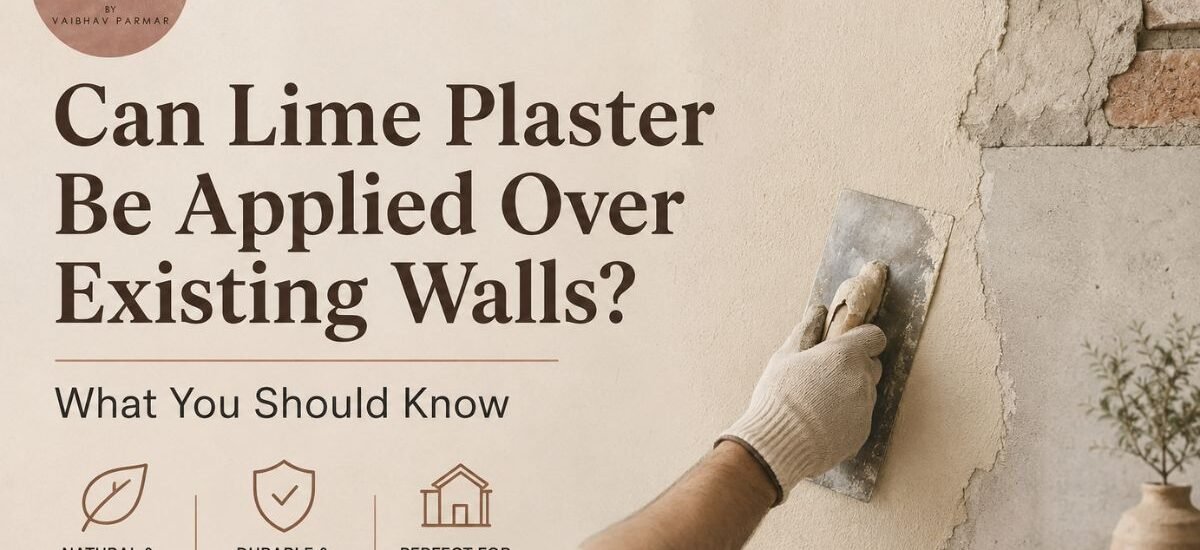
When homeowners, architects, and interior designers consider lime plaster for a renovation project, one of the most common questions is whether it can be applied directly over existing walls. The good news is that in many cases, the answer is yes. However, the success of the application depends on the condition of the existing surface, the type of wall material, and the preparation process followed before installation.
Lime plaster has been used for centuries in some of the world’s most remarkable buildings. Today, it is gaining popularity again due to its natural appearance, breathability, durability, and ability to create timeless interiors. Whether you are renovating a heritage property or updating a modern home, understanding how lime plaster works on existing walls is essential for achieving the best results.
Can Lime Plaster Be Applied on Existing Walls?
Yes, lime plaster can be applied over many existing wall surfaces, including cement plaster, brick walls, concrete walls, and previously plastered surfaces. However, not every wall is immediately ready for a lime plaster finish.
The existing substrate must be stable, clean, and free from major structural issues. Cracks, loose paint, moisture damage, or hollow sections need to be addressed before the lime plaster application begins. Proper surface preparation is often the most important factor in determining the longevity and appearance of the final finish.
At House of Lime, every project starts with a detailed assessment of the wall condition to determine the most suitable application method and finish.
Why More Homeowners Are Choosing Lime Plaster for Renovations
Renovation projects today focus on creating healthier, more sustainable living environments. Lime plaster offers several advantages that make it ideal for upgrading existing interiors.
Breathability
Unlike synthetic wall finishes, lime plaster allows moisture vapor to move through walls naturally. This helps regulate humidity levels and prevents trapped moisture from causing long-term damage.
Natural Aesthetic Appeal
Lime plaster creates a soft, organic texture that adds depth and character to walls. Each surface develops subtle variations that make every installation unique.
Environmentally Friendly
Lime is one of the most sustainable building materials available. It requires less energy to produce than many modern alternatives and continues to absorb carbon dioxide throughout its curing process.
Durability
When applied correctly, lime plaster can last for decades while maintaining its beauty and structural integrity.
Which Existing Wall Surfaces Are Suitable?
Not all wall surfaces behave the same way when receiving a lime plaster finish.
Cement Plastered Walls
Cement plaster is one of the most common substrates found in modern homes. Lime plaster can often be applied over cement surfaces, provided they are stable and properly prepared. Surface roughening or bonding coats may be required to ensure proper adhesion.
Brick Walls
Exposed brick walls are excellent candidates for lime plaster. Lime naturally bonds well with masonry surfaces and allows the wall to remain breathable.
Concrete Walls
Concrete surfaces can also accept lime plaster, although they usually require additional preparation to improve adhesion and manage differences in material movement.
Old Lime Plaster Surfaces
Existing lime plaster walls are generally ideal for reapplication, particularly in heritage restoration projects where maintaining traditional building materials is important.
Painted Walls
Painted surfaces often present challenges. Glossy, waterproof, or synthetic paints may need to be removed before lime plaster can be successfully applied.
Important Wall Conditions to Check Before Application
Before applying lime plaster over an existing wall, several factors should be evaluated carefully.
Moisture Problems
Walls affected by persistent moisture issues should be treated before applying any finish. Trapped dampness can compromise adhesion and affect the final appearance.
If your property experiences recurring moisture concerns, you may find it helpful to learn how lime plaster can reduce dampness and mold in residential and commercial spaces.
Structural Cracks
Hairline cracks can often be repaired during preparation. Larger structural cracks require professional assessment before any plaster application begins.
Surface Stability
Loose plaster, flaking paint, or hollow patches should be removed. The substrate must be solid enough to support the new lime finish.
Salt Deposits
Efflorescence or salt contamination can interfere with bonding and should be addressed before installation.
The Surface Preparation Process
Proper preparation is what separates a long-lasting lime plaster finish from one that develops issues over time.
Step 1: Wall Inspection
The surface is thoroughly inspected for moisture, cracks, contamination, and structural concerns.
Step 2: Cleaning
Dust, dirt, grease, loose particles, and old coatings are removed to create a clean working surface.
Step 3: Repairs
Damaged areas are repaired using compatible materials to create a stable substrate.
Step 4: Surface Conditioning
Depending on the wall type, bonding coats or textured preparation layers may be applied to improve adhesion.
Step 5: Lime Plaster Application
The lime plaster is applied in carefully controlled layers, allowing adequate curing time between coats.
Professional installation ensures consistent texture, proper curing, and long-term performance. Homeowners seeking specialized lime finishes often choose experienced lime plaster services to achieve the desired results.
Common Mistakes to Avoid
Many problems associated with lime plaster installations can be traced back to inadequate preparation.
Applying Over Unstable Paint
Paint layers that are peeling or poorly bonded can cause the new finish to fail.
Ignoring Moisture Issues
Lime plaster performs best when underlying moisture problems are properly addressed first.
Using Incompatible Materials
Certain modern synthetic coatings and sealers can interfere with the natural breathability of lime plaster.
Rushing the Curing Process
Lime plaster requires proper curing conditions. Accelerated drying can lead to cracking and reduced durability.
Is Lime Plaster Suitable for Modern Interiors?
Absolutely. While lime plaster has deep historical roots, it is increasingly being specified for luxury homes, boutique hotels, resorts, and contemporary commercial spaces.
Designers appreciate its ability to create warm, textured surfaces that feel authentic and sophisticated. Modern lime finishes range from rustic textures to polished decorative surfaces, making them suitable for both traditional and contemporary design schemes.
The growing popularity of natural finishes is also influencing hospitality and luxury design trends. Recent insights from 2026 plaster trends in India’s luxury hotels highlight how architects are embracing lime-based materials to create elegant and sustainable guest experiences.
When Should You Avoid Applying Lime Plaster Over Existing Walls?
Although lime plaster is versatile, there are situations where additional corrective work may be necessary before application.
These include:
- Severe water damage
- Active structural movement
- Extensive mold contamination
- Loose or detached plaster sections
- Highly glossy or waterproof coatings
- Surfaces treated with incompatible synthetic materials
A professional assessment can determine whether repairs, removal, or substrate replacement is required before proceeding.
Final Thoughts
Lime plaster can be successfully applied over many existing wall surfaces, making it an excellent choice for renovation and restoration projects. However, achieving a durable and beautiful result depends heavily on the condition of the wall and the quality of preparation.
When properly installed, lime plaster transforms ordinary walls into breathable, elegant surfaces that improve both aesthetics and indoor comfort. Its natural texture, sustainability, and timeless appeal continue to make it one of the most sought-after finishes in modern architecture and interior design.
Whether you are renovating a heritage property, upgrading a contemporary home, or designing a luxury commercial space, lime plaster offers a versatile solution that combines traditional craftsmanship with modern performance. By working with experienced professionals and ensuring proper surface preparation, existing walls can become the perfect foundation for a long-lasting lime plaster finish.