
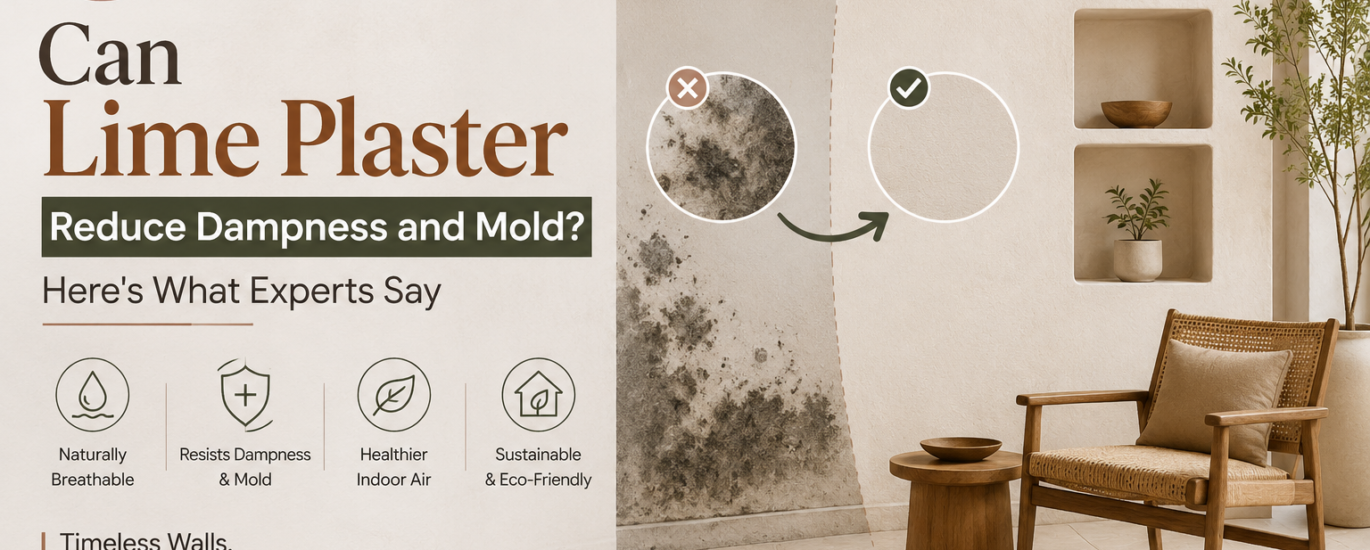
Damp walls and mold growth are common problems in many Indian homes, hotels, resorts, and commercial buildings. Besides damaging the appearance of walls, excess moisture can lead to unpleasant odors, peeling paint, structural issues, and poor indoor air quality. As homeowners and architects search for healthier and more sustainable building materials, lime plaster has emerged as one of the most effective solutions.
But can lime plaster really reduce dampness and mold? The answer is yes. Experts have long recognized lime as a breathable building material that naturally manages moisture and creates healthier indoor environments.
Why Dampness and Mold Develop in Buildings
Most dampness problems occur when moisture becomes trapped inside walls. Modern cement-based plasters and synthetic paints often create a sealed surface that prevents walls from releasing excess moisture. Over time, this trapped moisture encourages mold growth, paint peeling, and wall deterioration.
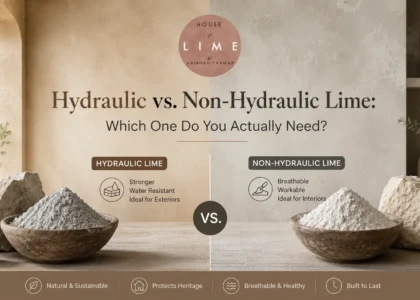
This is one reason why architects are revisiting traditional lime-based construction methods. Different types of lime used in modern construction offer unique moisture-regulating properties that help buildings remain dry and breathable.
How Lime Plaster Controls Moisture
Unlike cement plaster, lime plaster is highly breathable. It allows water vapor to move through the wall surface instead of trapping it inside.
This breathability helps:
- Reduce moisture buildup inside walls
- Prevent condensation on surfaces
- Minimize mold and mildew growth
- Improve indoor air quality
- Extend the life of wall finishes
Because lime plaster naturally absorbs and releases moisture, it creates a balanced indoor environment. This makes it particularly useful in humid climates and buildings where moisture control is essential.
The Natural Anti-Mold Properties of Lime
One of the biggest advantages of lime plaster is its natural alkalinity. Fresh lime has a high pH level, creating an environment where mold, mildew, and many harmful microorganisms struggle to grow.
This natural resistance means property owners can reduce their reliance on chemical treatments and anti-fungal coatings. As a result, lime plaster contributes to healthier living and working spaces while supporting environmentally friendly construction practices.
Why Luxury Hotels and Resorts Prefer Lime Finishes
Luxury hospitality projects increasingly choose lime-based finishes because they combine beauty with performance. High-end resorts, boutique hotels, and wellness retreats require interiors that remain attractive despite varying climate conditions.
Many designers carefully evaluate the types of lime used in luxury hotels and resorts to achieve both aesthetic appeal and long-term durability. Lime finishes help maintain elegant interiors while reducing moisture-related maintenance issues.
Araish Lime Plaster: Beauty and Functionality Combined
For homeowners and hospitality brands seeking a premium finish, Araish Lime Plaster offers an excellent solution. Known for its smooth, reflective, marble-like appearance, Araish combines luxury with the natural benefits of lime.
Its breathable structure helps regulate moisture while creating sophisticated interiors that stand apart from conventional painted surfaces. This makes it an ideal choice for luxury residences, boutique hotels, spas, and heritage properties.
Lime Plaster and Modern Design Trends
As sustainability becomes a priority in architecture and interior design, lime plaster continues to gain popularity. Designers appreciate its natural appearance, environmental benefits, and ability to improve indoor comfort.
Many of the leading 2026 plaster trends in India’s luxury hotels highlight lime-based finishes as a preferred material for creating elegant, breathable, and eco-conscious spaces.
Additional Benefits of Lime Plaster
Beyond reducing dampness and mold, lime plaster offers several other advantages:
- Improved indoor air quality
- Natural temperature regulation
- Environmentally friendly composition
- Long-lasting durability
- Reduced maintenance requirements
- Unique handcrafted aesthetics
- Compatibility with heritage restoration projects
- Better wall breathability than cement-based alternatives
Is Lime Plaster Right for Your Project?
If your property experiences recurring dampness, mold growth, or poor indoor air quality, lime plaster can be an effective long-term solution. While no material can completely eliminate moisture issues caused by leaks or structural defects, lime plaster helps walls breathe naturally and reduces the conditions that allow mold to thrive.
Whether you’re building a luxury home, restoring a heritage property, designing a boutique hotel, or creating a wellness retreat, lime plaster offers a combination of beauty, durability, and moisture management that few modern materials can match.
Conclusion
Experts agree that lime plaster can significantly reduce dampness and mold by allowing walls to breathe and naturally regulating moisture levels. Its anti-fungal properties, environmental benefits, and timeless appearance make it an increasingly popular choice for modern and traditional architecture alike.
For property owners seeking healthier interiors and long-lasting wall finishes, lime plaster remains one of the most trusted and effective building materials available today.